Strategic Problem
The legacy risk-monitoring process relied on manual audits and subjective surveys, which were prone to significant human error, data delays, and a complete lack of real-time visibility. This fragmentation made it impossible for building managers to maintain an accurate, up-to-date security posture across diverse software environments.
Systemic Solution
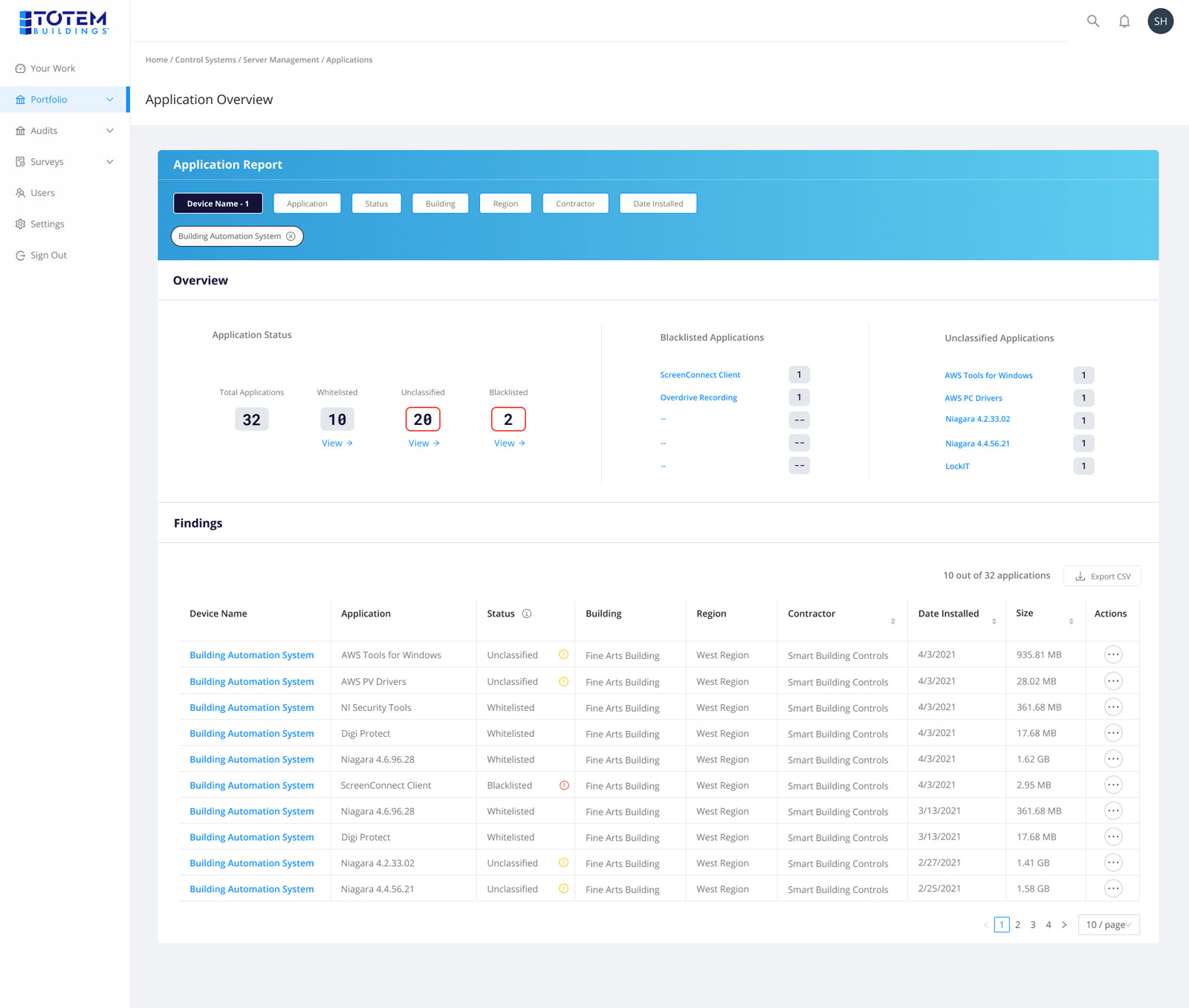
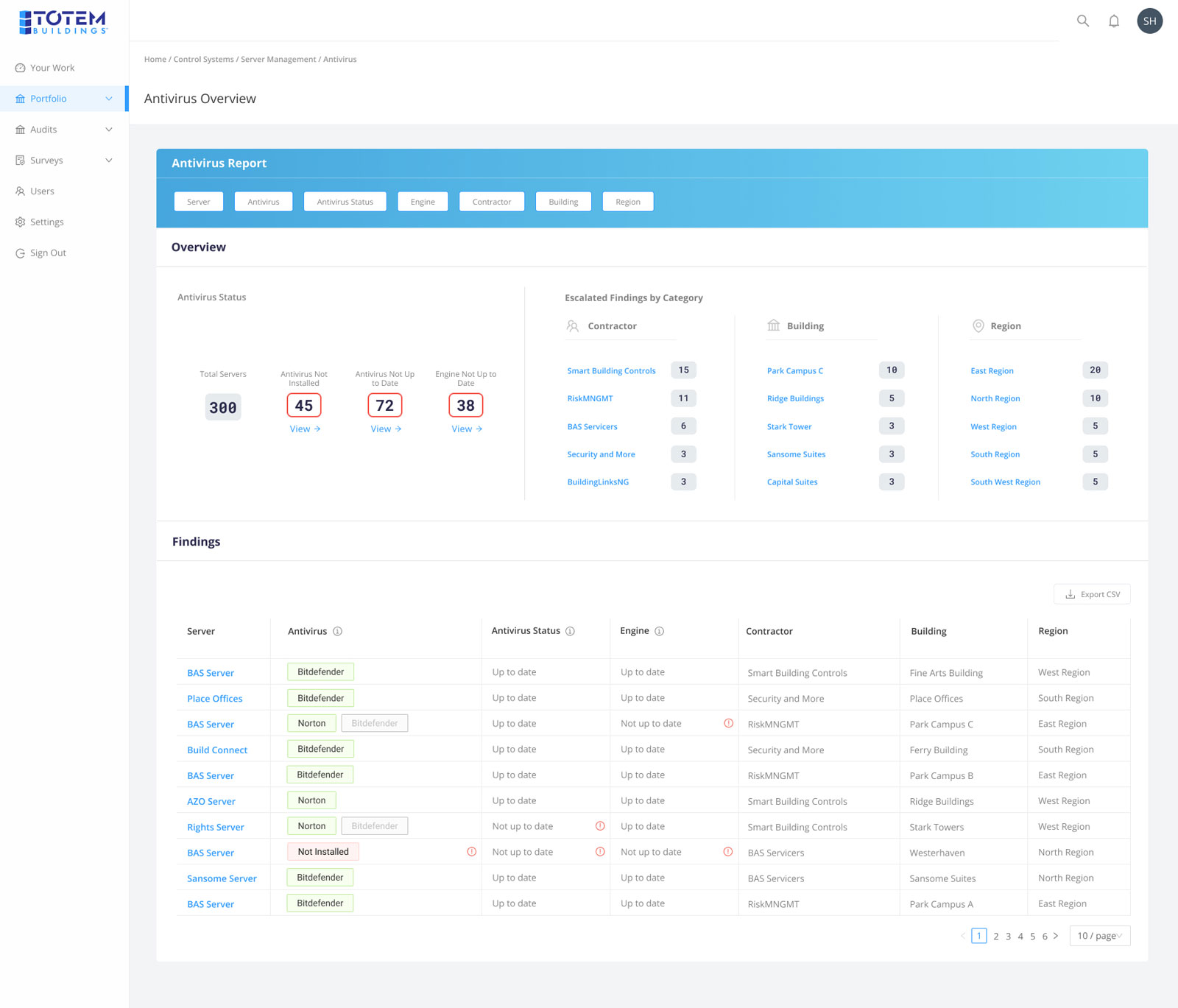
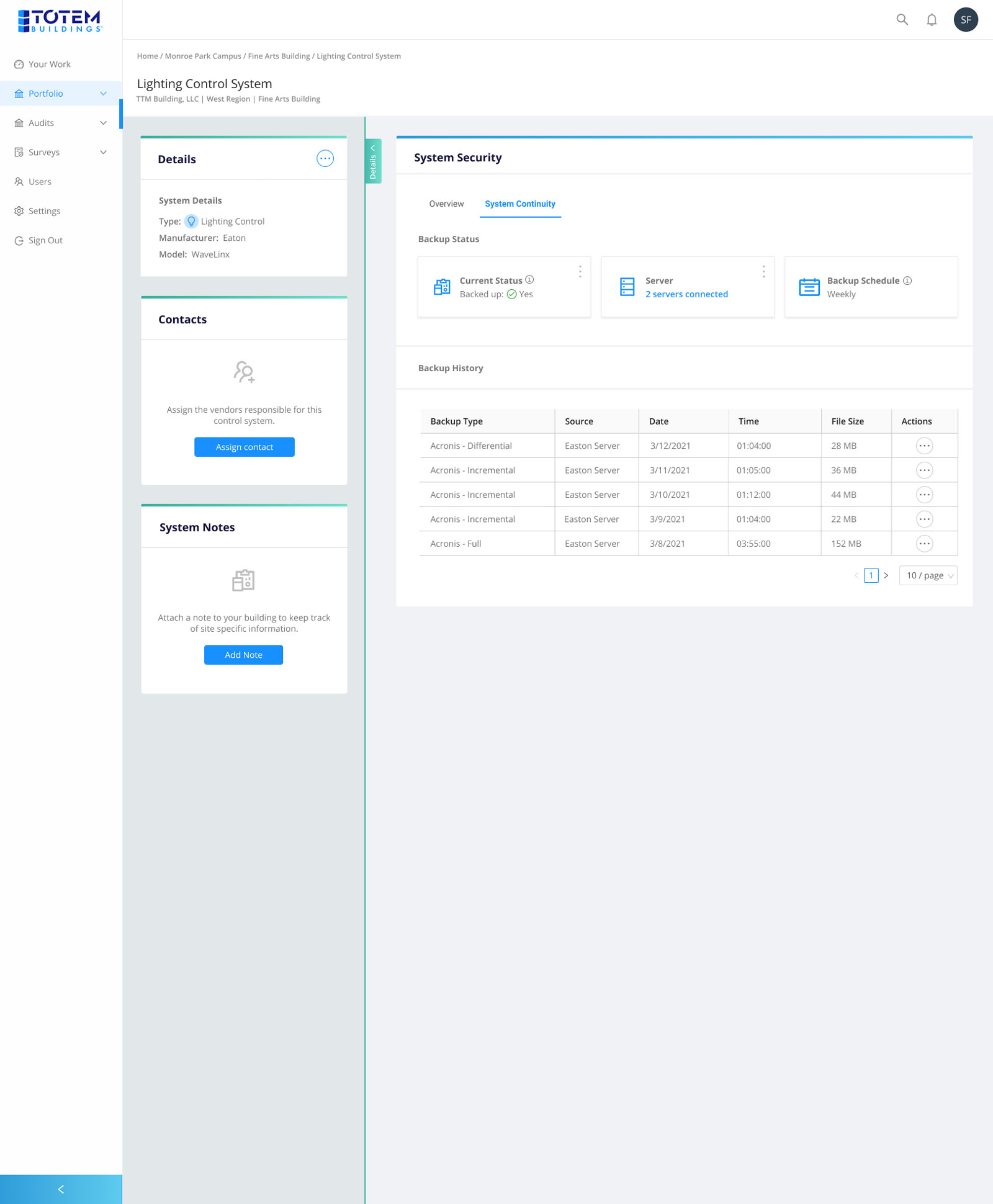
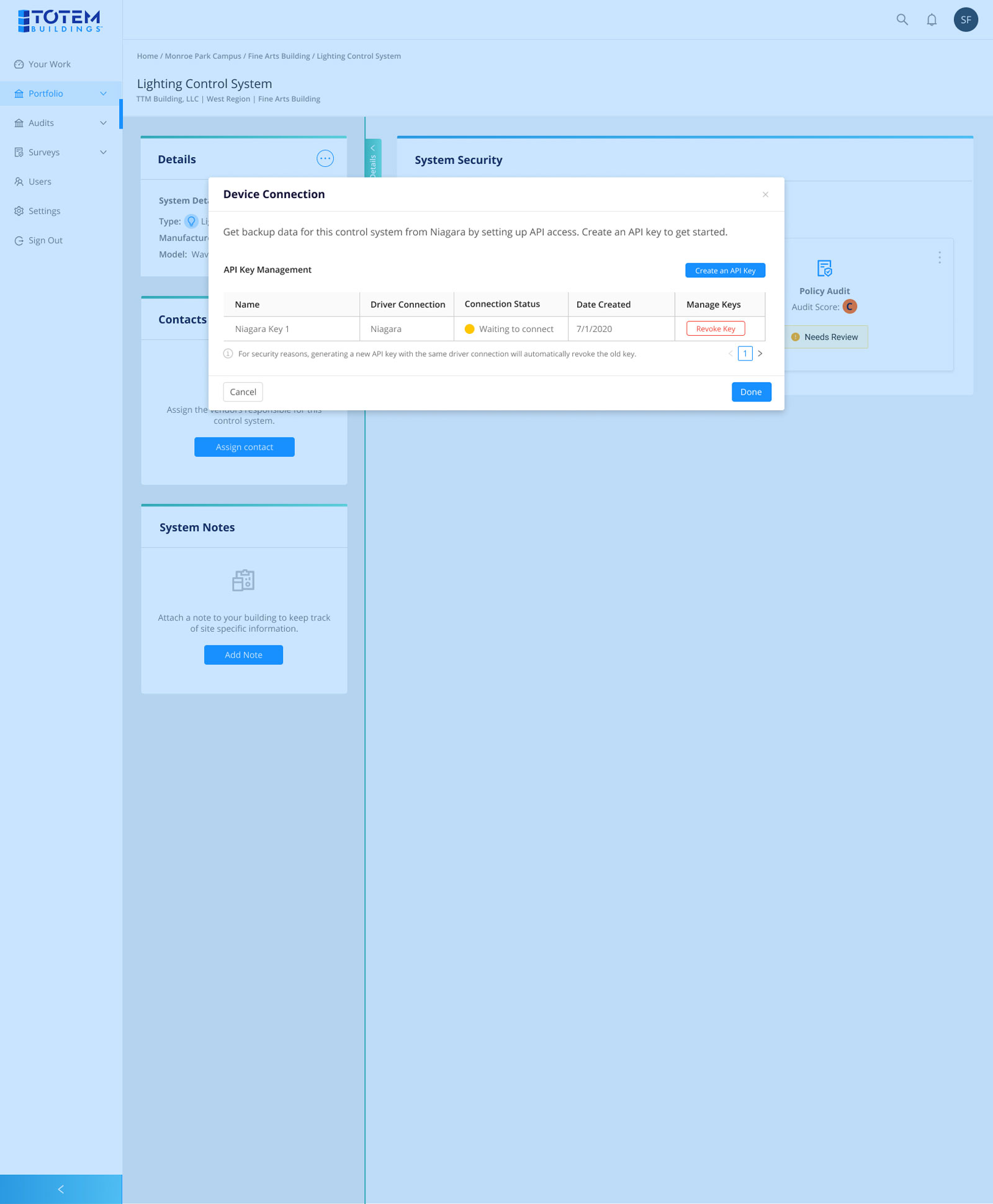
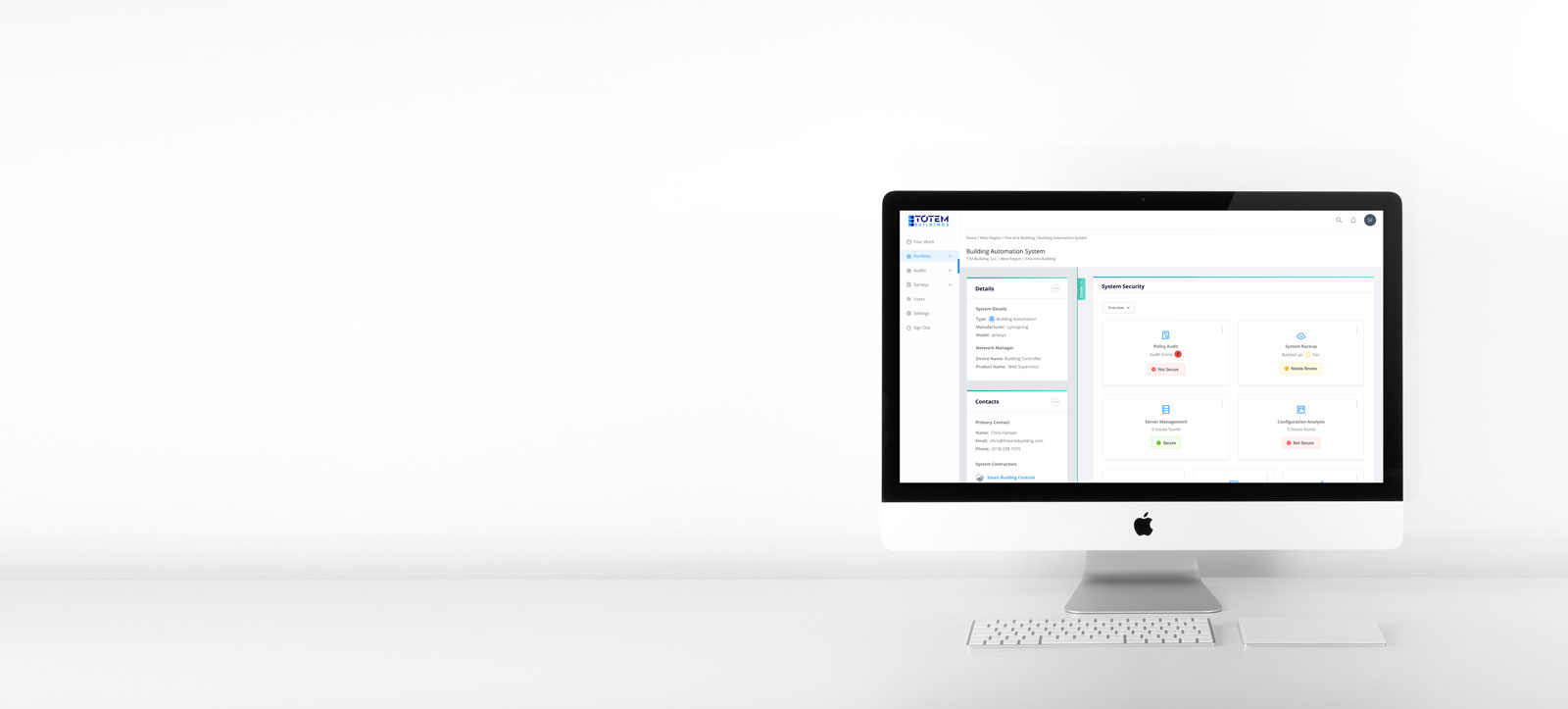
I engineered a centralized dashboard ecosystem that visualizes automated data streams from control chips via the Niagara monitoring API. This solution transformed the monitoring process from a reactive, manual task into a proactive, automated command center for server and system management.
Methodology
I led a deep-dive research phase into Niagara integration capabilities and conducted a competitive analysis of IoT monitoring standards. I utilized iterative prototyping to validate how automated status icons and data hierarchies could best serve users without causing information overload.
Design Strategy
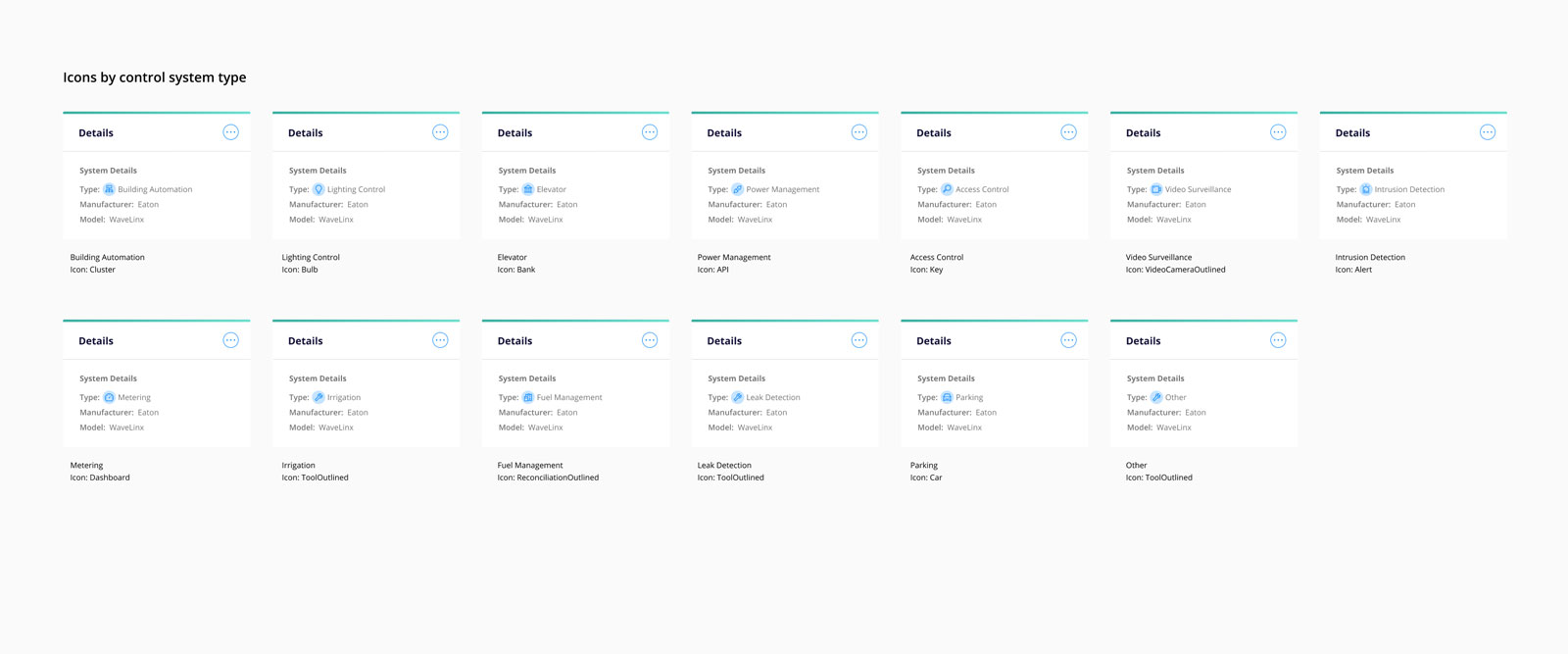
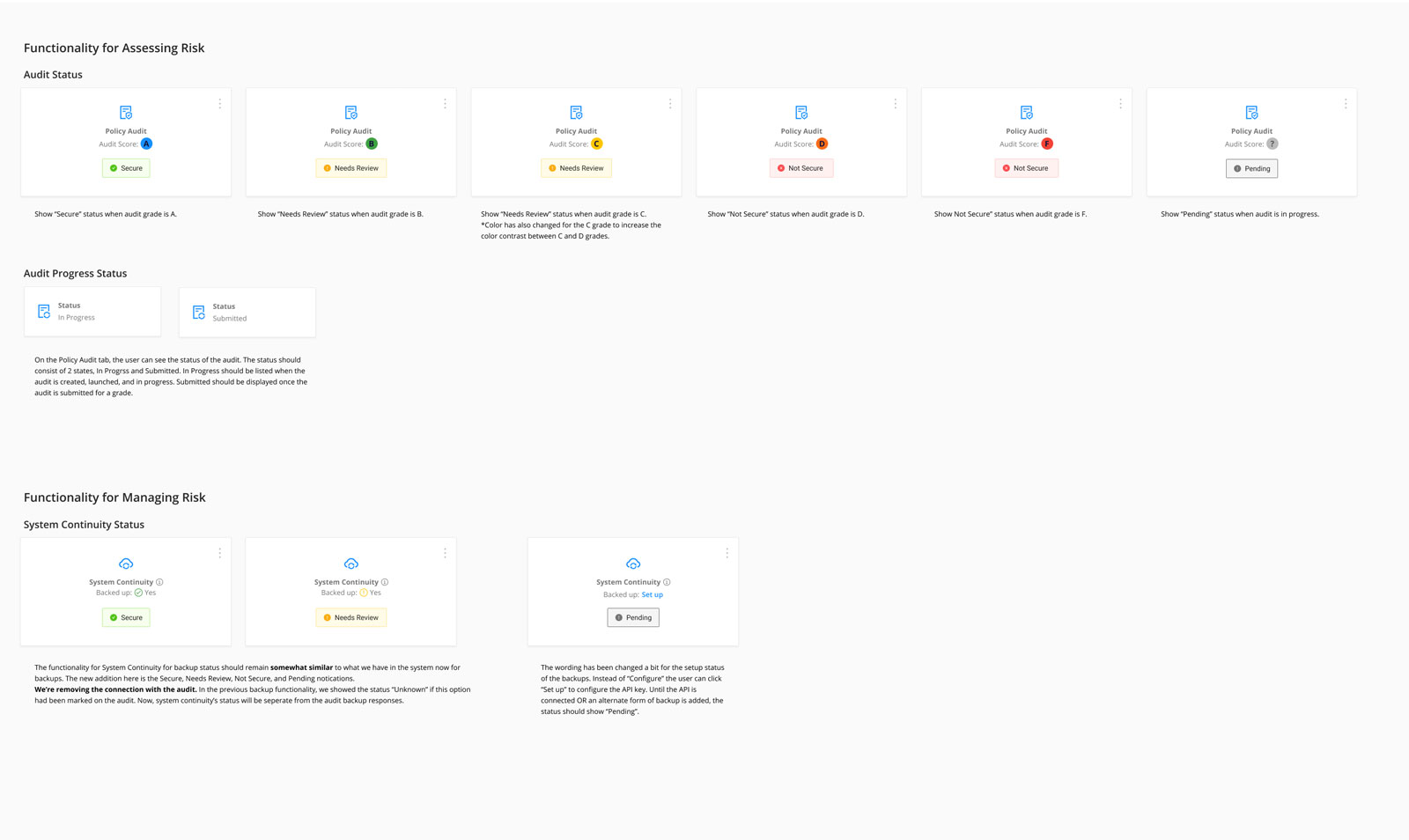
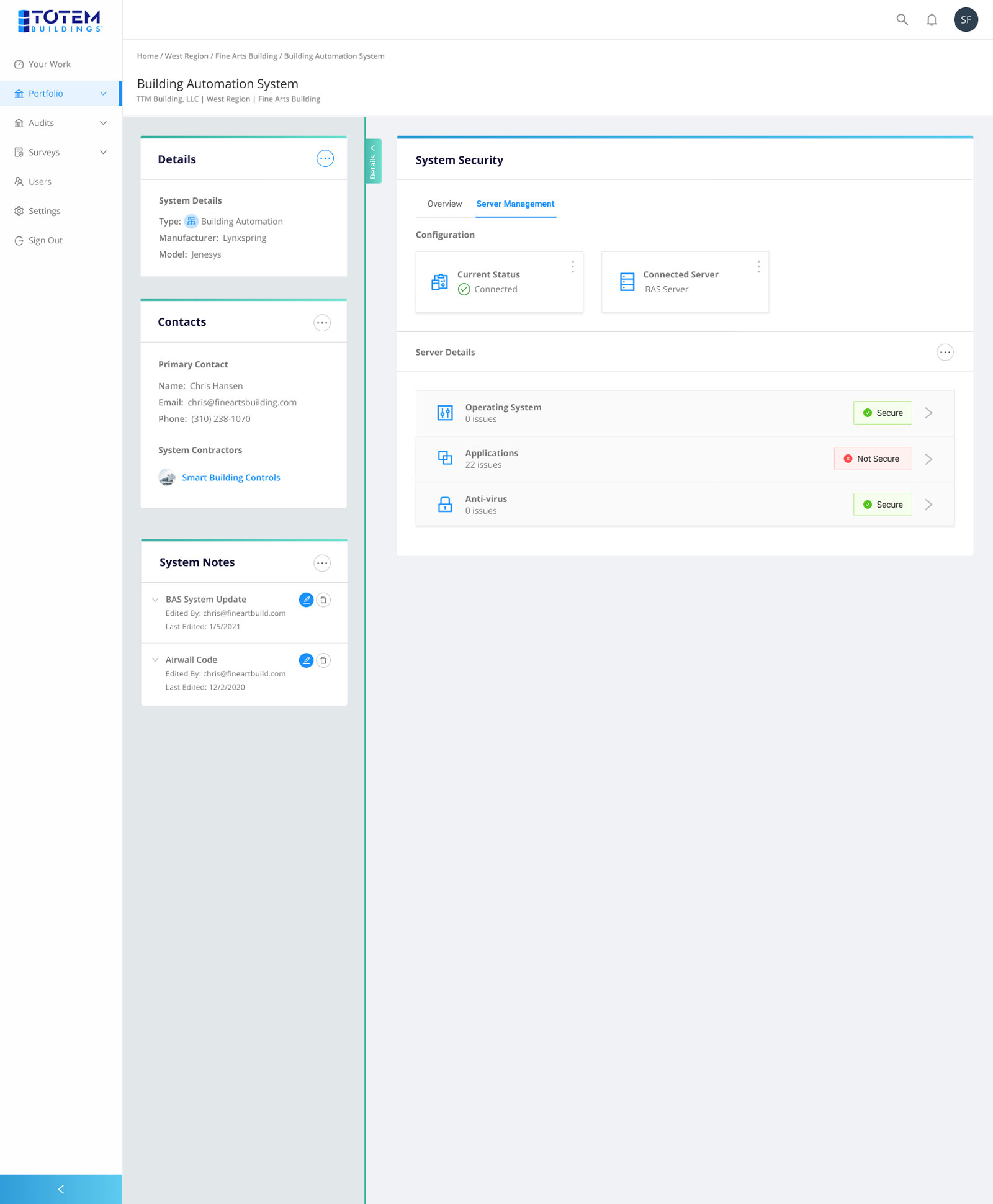
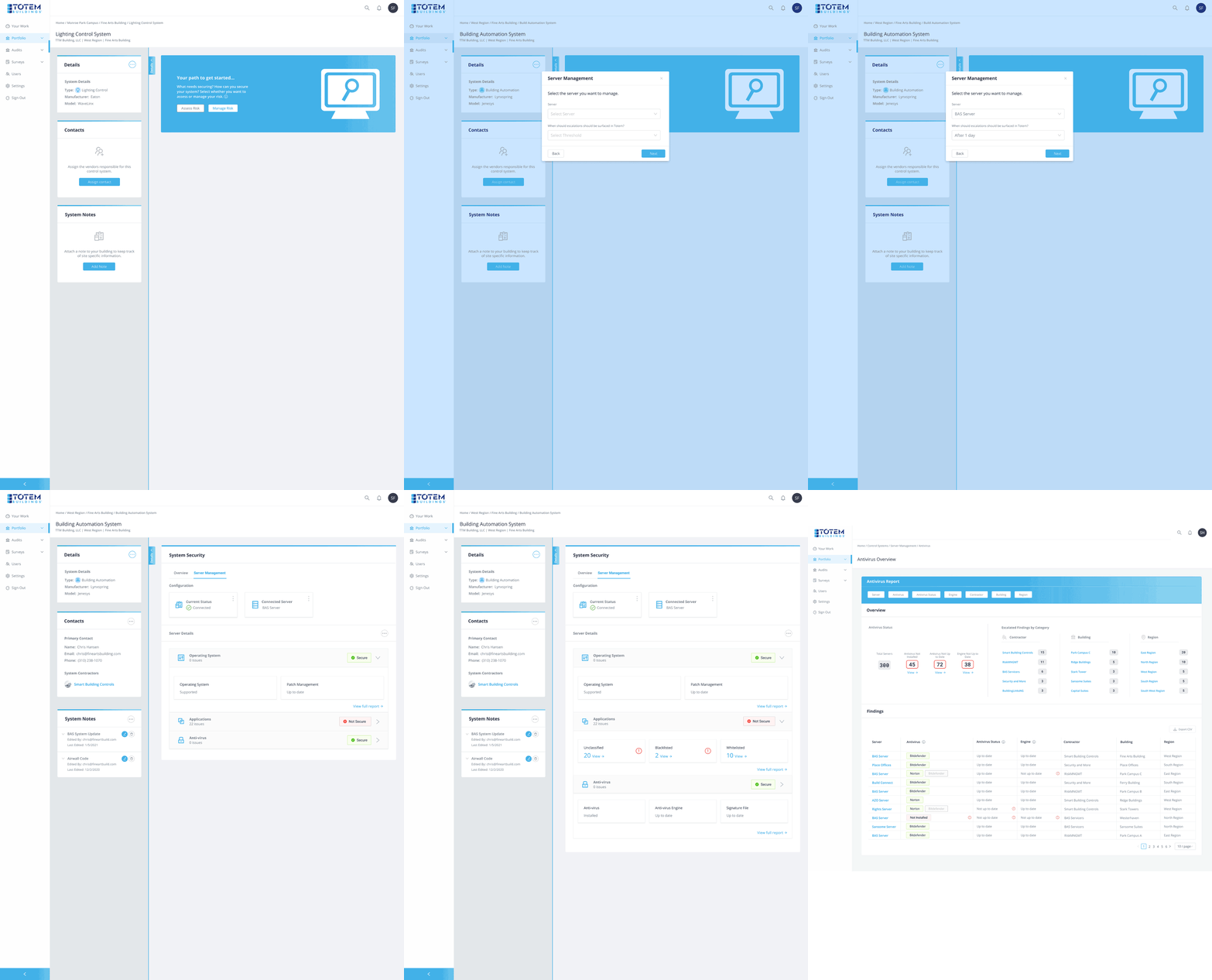
I implemented a Layered Information Architecture, where a high-level status overview provides immediate situational awareness, while drill-down interactions allow users to access granular system-level data on demand. I also developed a specialized iconography system to categorize control systems and statuses, ensuring rapid cross-language recognition.

Stakeholder Management
I facilitated technical collaboration between our developers and the client's engineering team to determine the feasibility of various API data points. I balanced the design vision with technical constraints, ensuring the final mockups were optimized for both implementation and system performance.
Design Ops
I built a modular dashboard framework designed to ingest data from any integrated control system, ensuring the UI remains system-agnostic. This approach ensures that as Totem’s clients add new types of hardware, the interface can scale horizontally without requiring a complete redesign.
Reflection
This project highlighted the critical importance of Technical Literacy for Lead Designers; understanding the underlying API structure was essential to creating a dashboard that was both beautiful and functional. I learned that for automated systems, the UX must focus on Exceptions and Alerts, helping the user find the one system that is failing among hundreds that are working.