Work/UX/UI/№07
UX/UI
Totem
Role-based access control architecture
I redesigned a cluttered, one-size-fits-all enterprise dashboard into a dynamic, permission-aware interface that adapts to different user roles.
- Role
- Senior Product Designer
- Year
- 2021-2022
- Team
- 1 designer · Product · Engineering
- Stack
- Figma · Illustrator · Miro
Problem
Totem's building monitoring platform forced every user — from onsite mechanics to global executives — through the exact same interface and navigation menus. This one-size-fits-all approach created cognitive overload, as staff had to go through features irrelevant to their day-to-day work.
This layout also presented a serious security risk. The sensitive, high-level portfolio data was exposed to people who did not have the clearance to see it.
Approach
I moved the platform away from a static, monolithic layout and architected a dynamic, permission-aware UI framework that recognizes a user's security tier on login and dynamically hides or reveals features.
01
Operational role-mapping
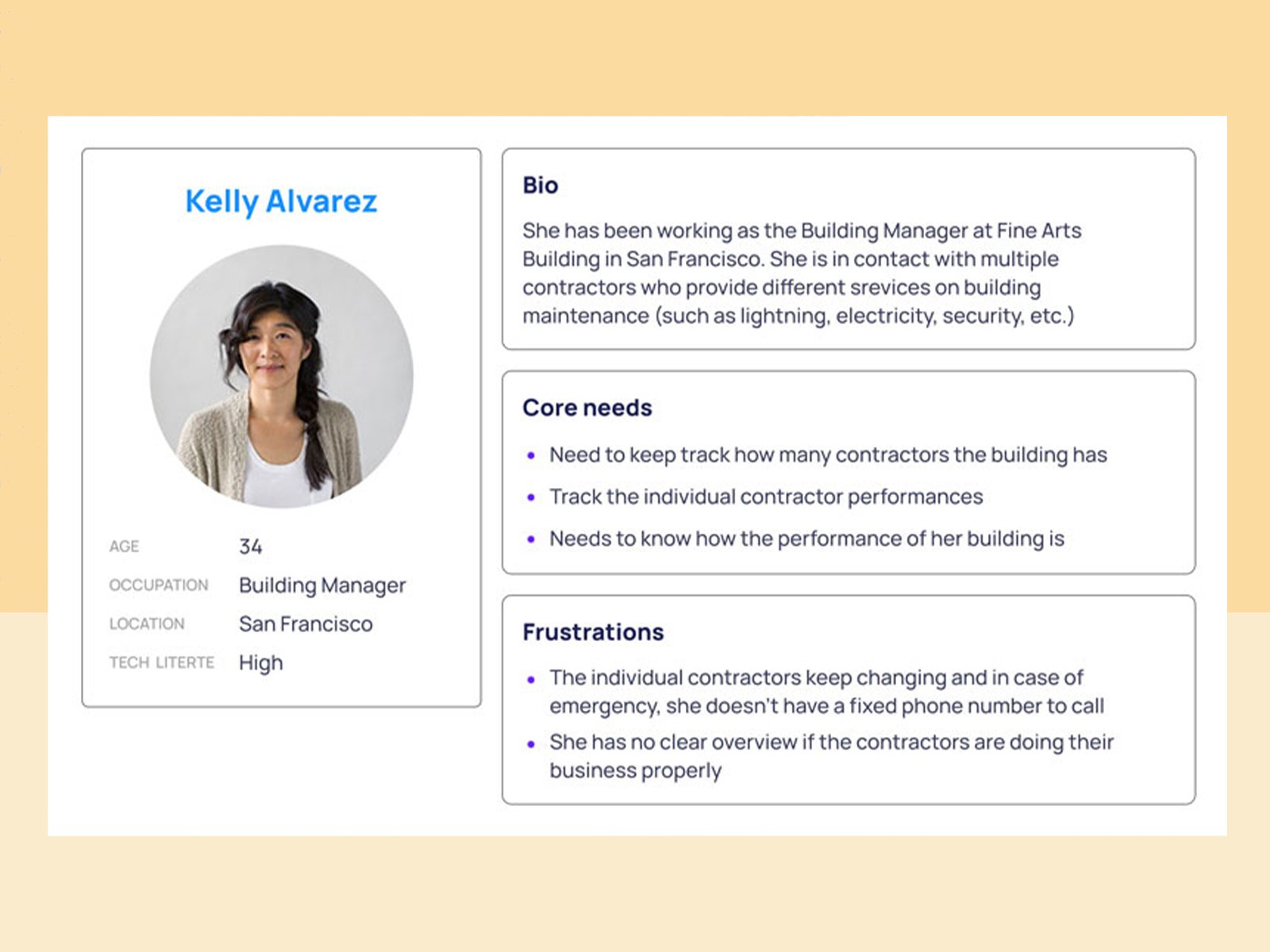
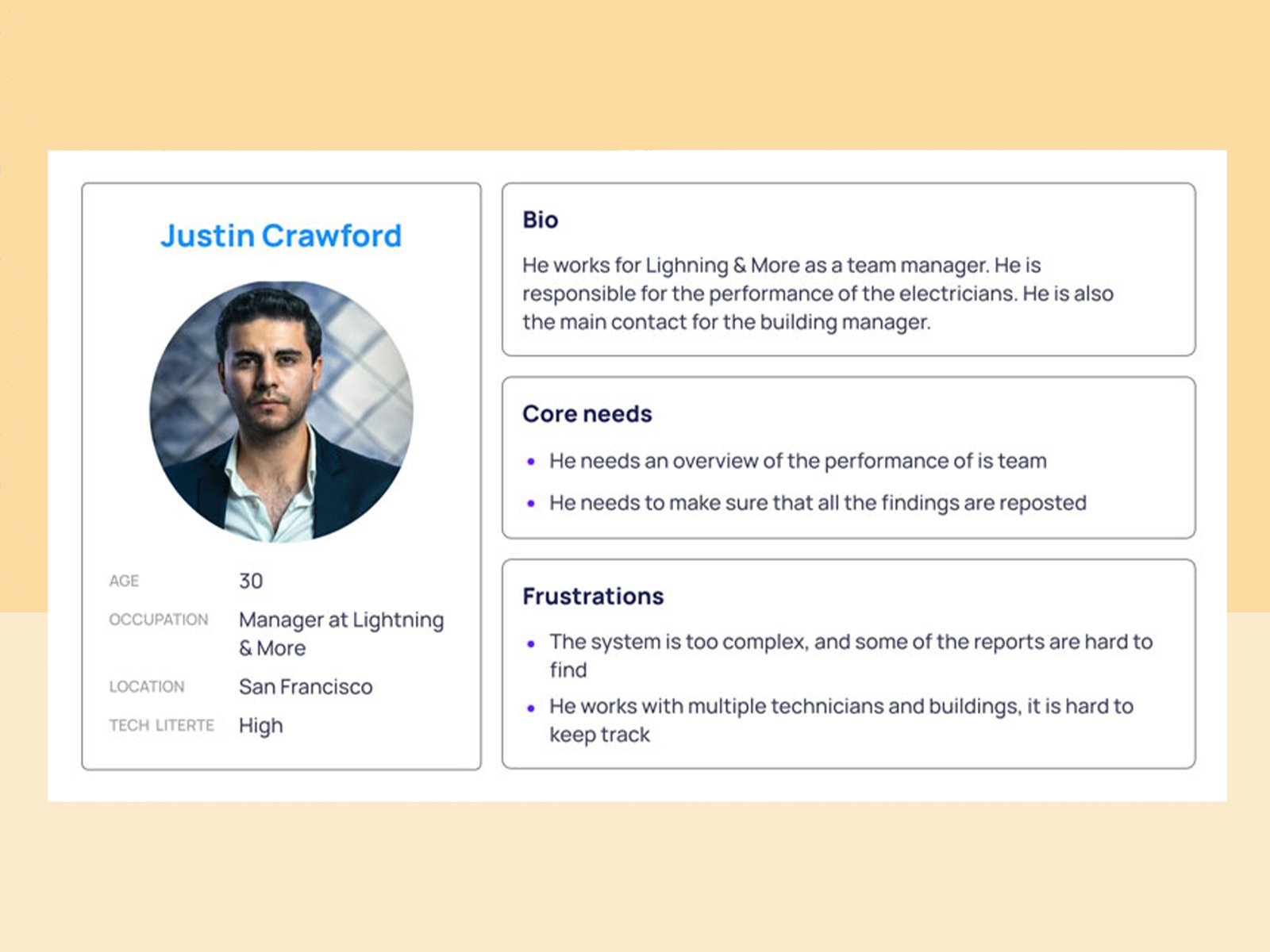
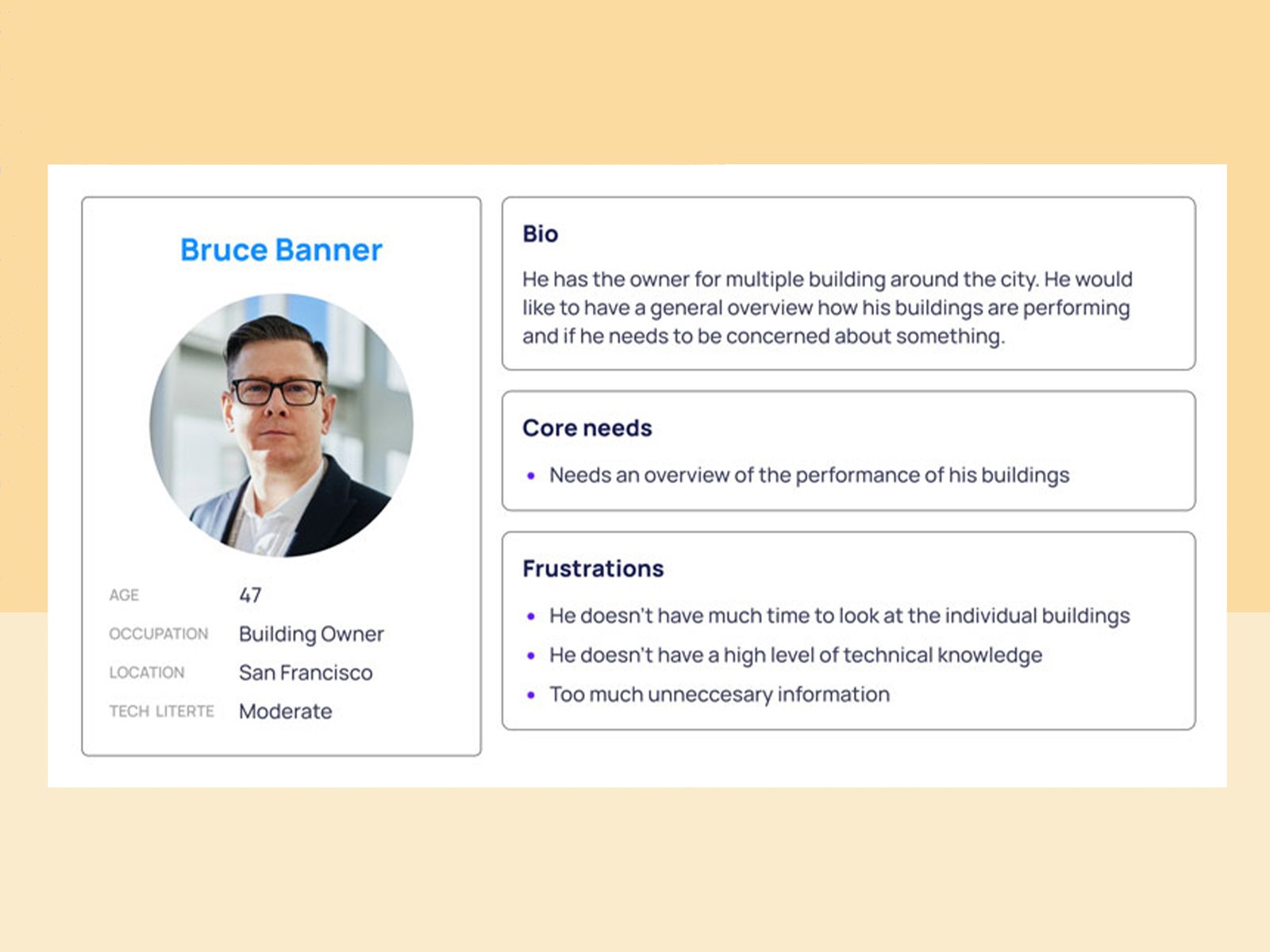
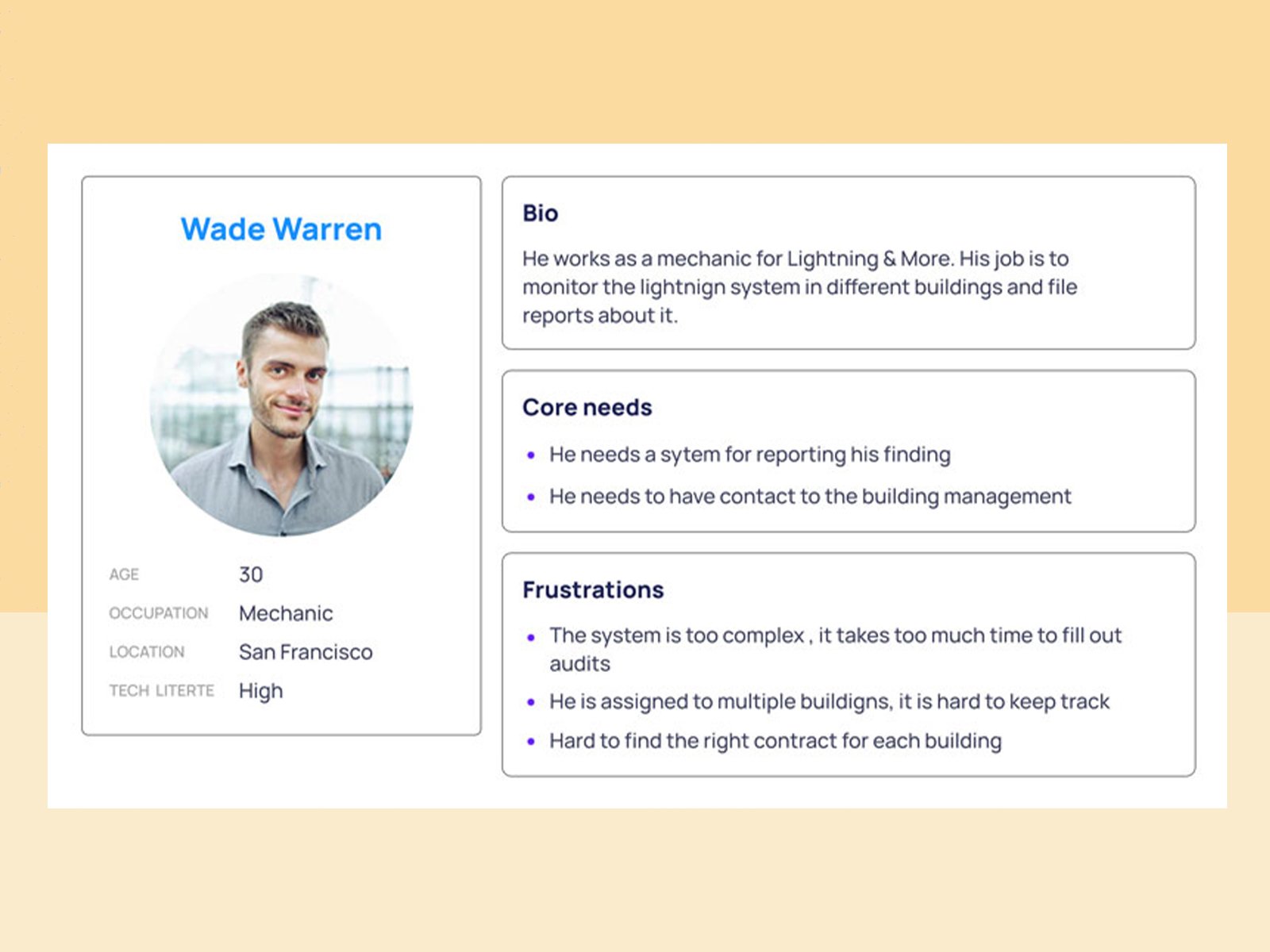
I led a comprehensive audit of the user base, moving beyond generic 'users' to map distinct task-flows based on interviews and direct feedback.
02
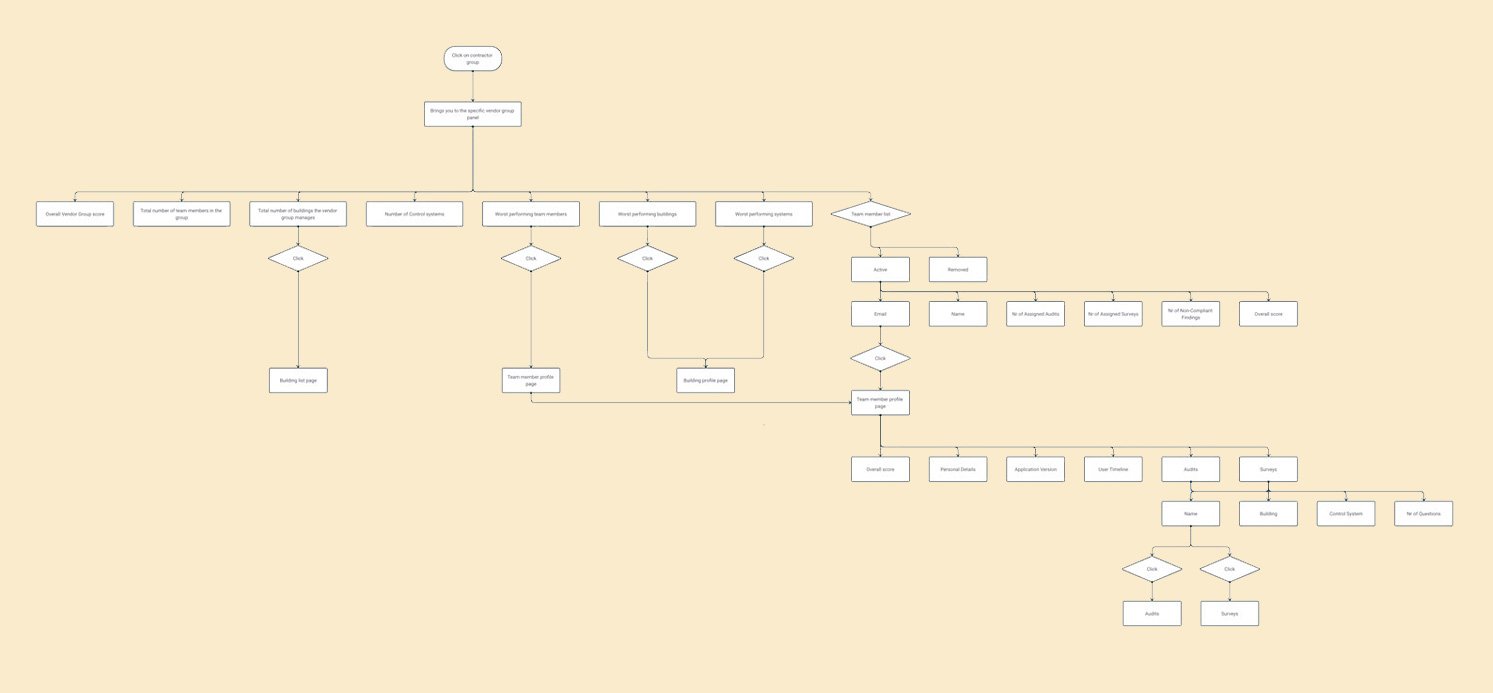
Decoupling the workflows
I redesigned the user journey so navigation pathing adapts instantly, based on logins, funelling users straight into primary tasks.
03
The onsite guard workspace
A stripped-back, high-speed interface focused entirely on rapid verification and check-in tools.
04
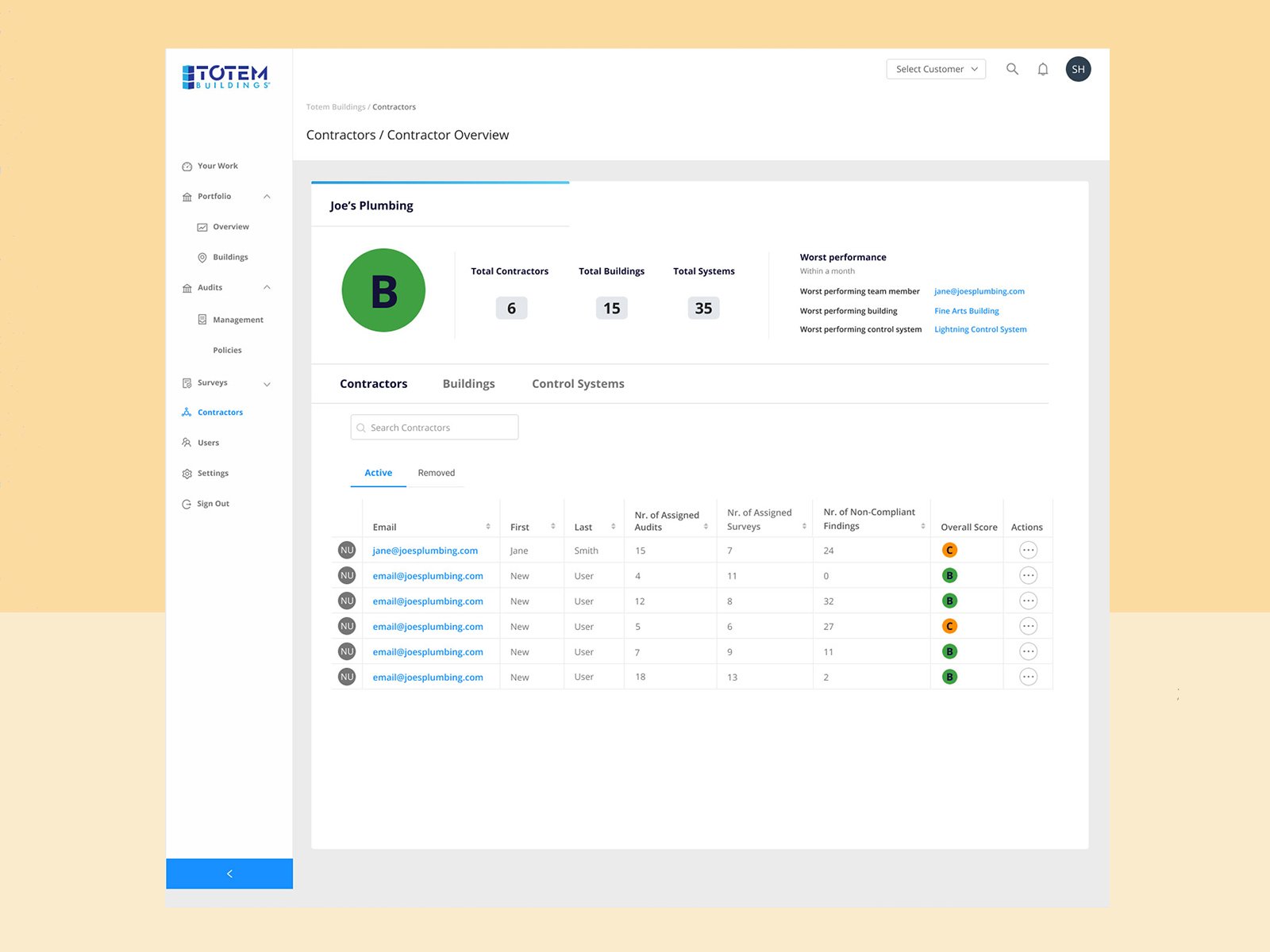
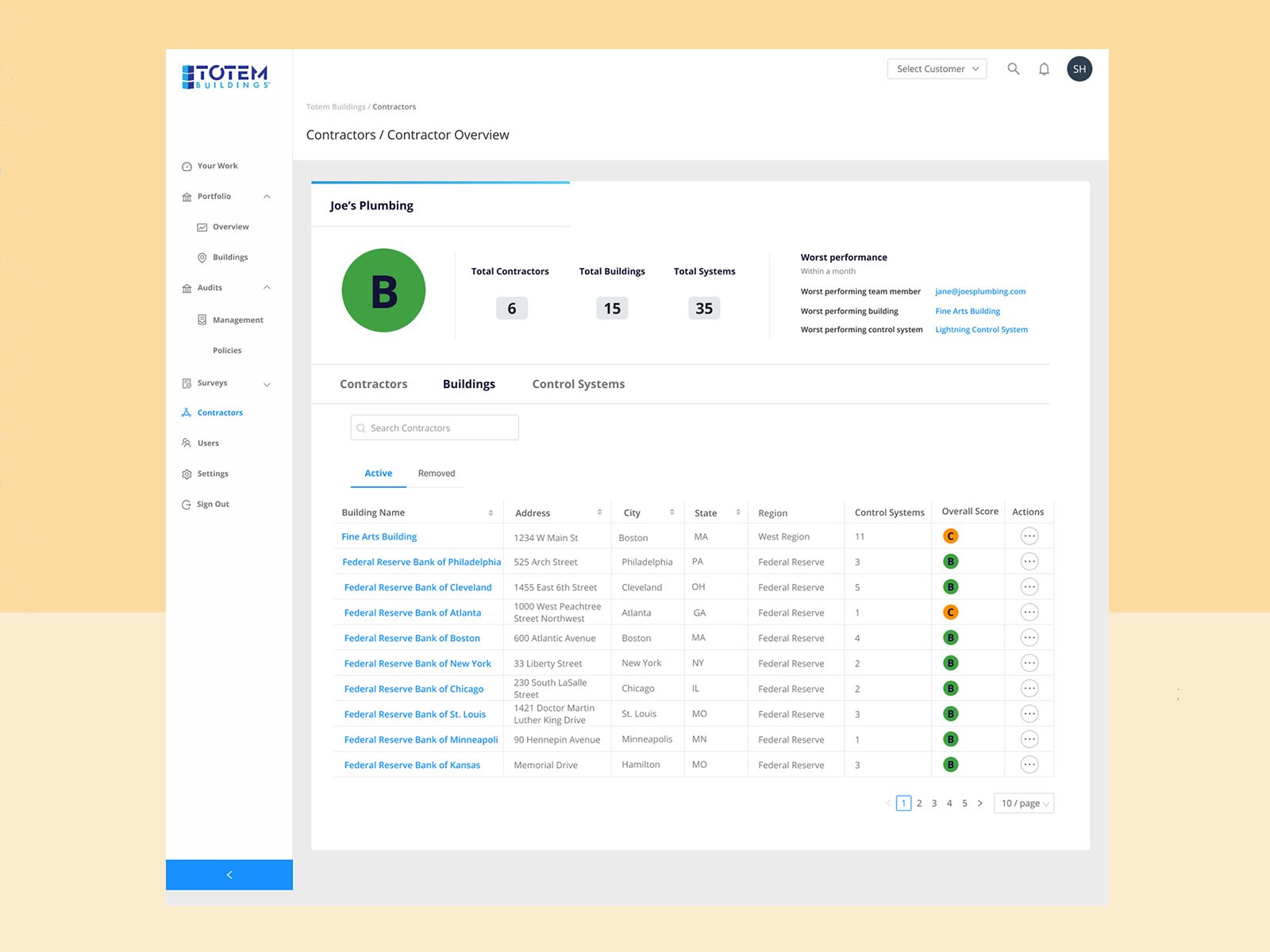
The facility manager workspace
A detailed view focused on granular reporting, team scheduling, and onsite oversight.
05
The global executive workspace
A data-dense dashboard focused on high-level risk visualization across an entire portfolio of buildings.
06
User group governance
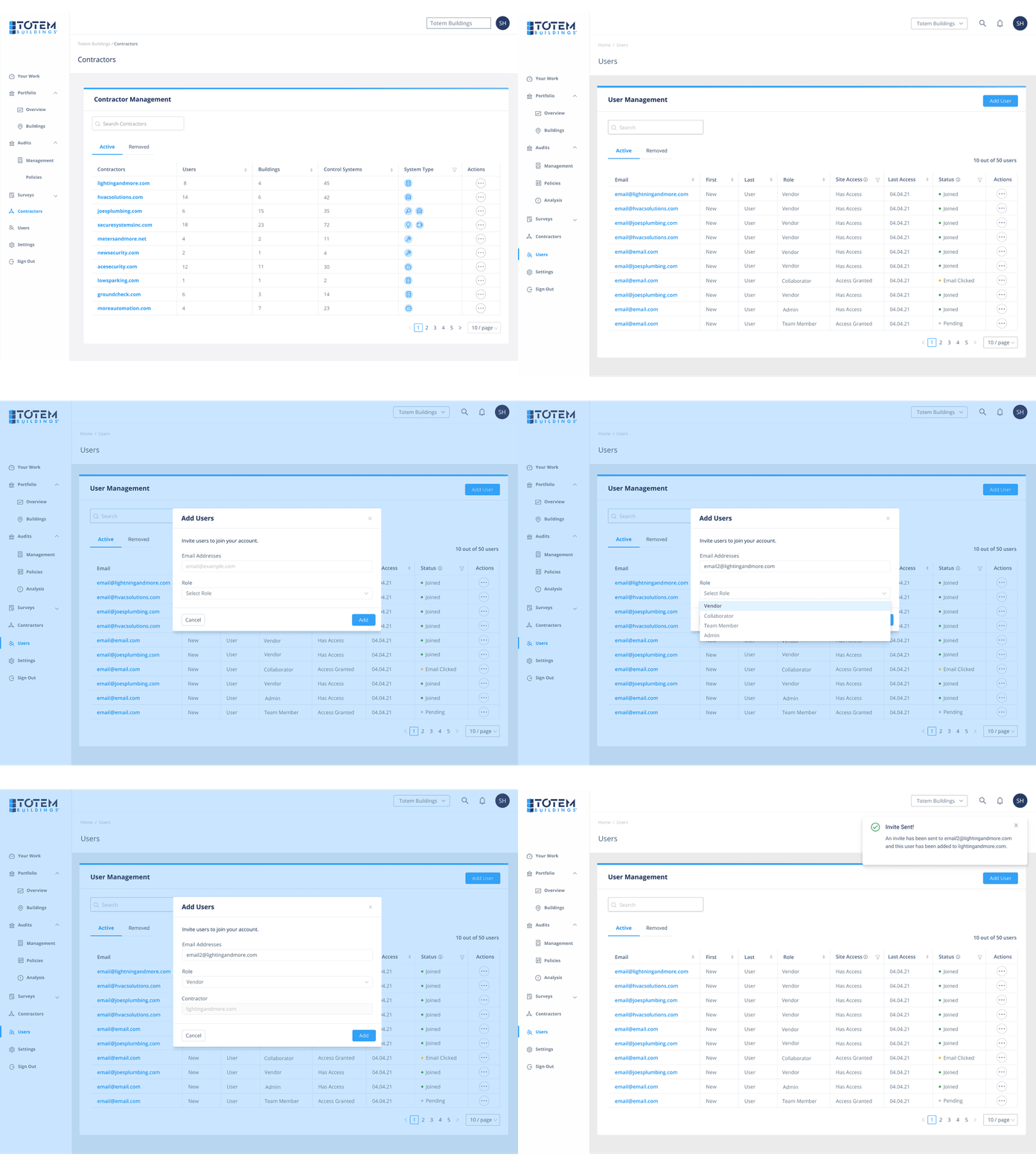
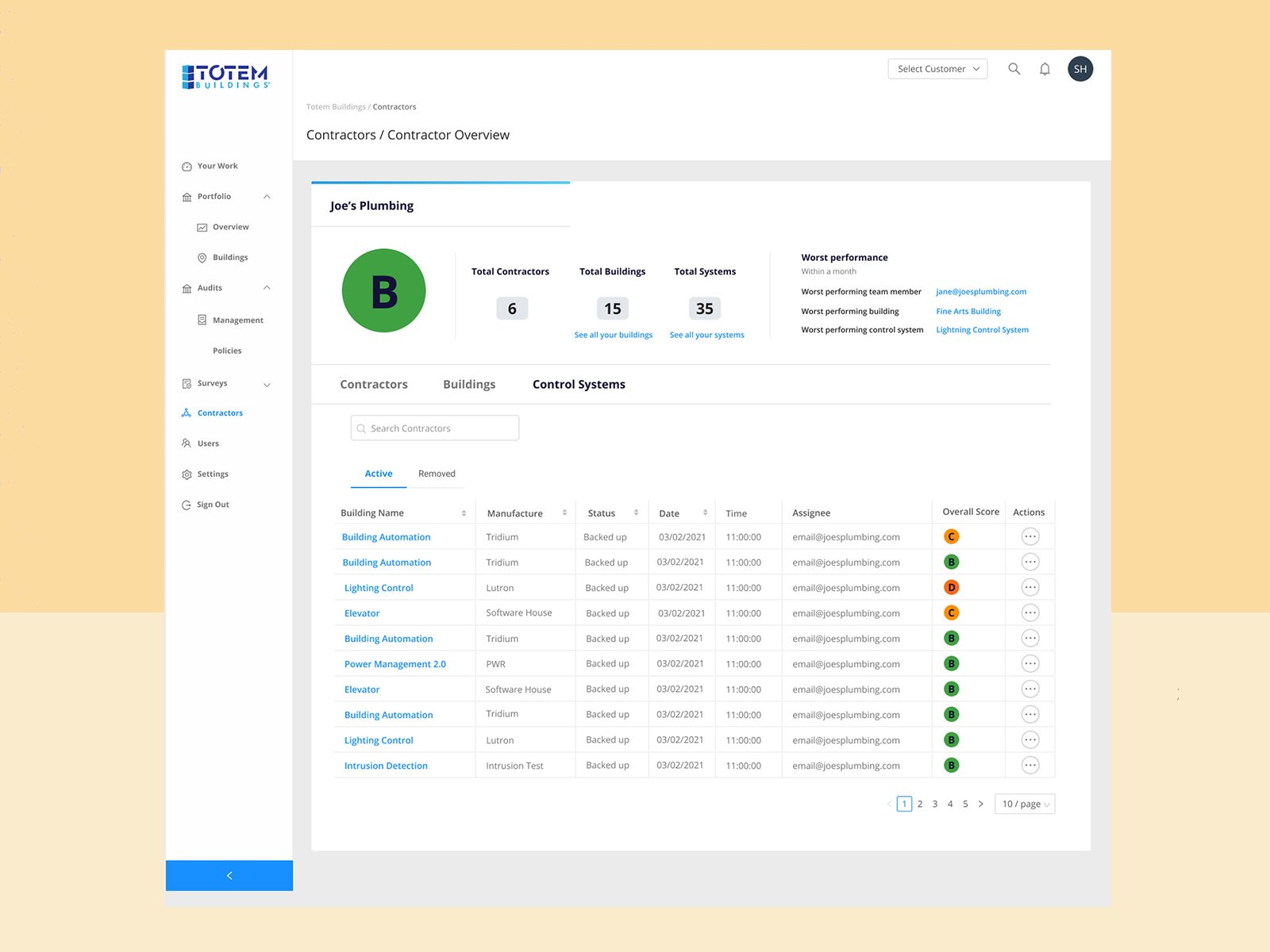
I built intuitive management screens that let administrators assign users to groups, review team profiles, and toggle permissions seamlessly.
Process
Artifacts from the room.
Outcome
By hiding irrelevant tools and restricted data based on user clearance, the project eliminated UI clutter and significantly increased operational speed across all user tiers.
To ensure the system could scale, I established a modular UI architecture. New features or permission toggles can be added as organizational needs evolve, without disrupting the core design system.
Designing for permission levels proved that enterprise UX is as much about governance and security as visual design. Tailoring the interface to specific roles did not just fix a security vulnerability — it fundamentally improved long-term user satisfaction because people finally had exactly the tools they needed for their job, and nothing else.
3
Permission tiers: onsite guard, facility manager, global executive
Faster
Time-to-task reduced through role-specific navigation
Secure
Restricted portfolio data hidden from unauthorized staff
Modular
UI architecture scaling with evolving permission needs
Next